Your Body’s Quiet Alarm: What You Can Actually Control Before Illness Hits
Living with constant fatigue, unexplained aches, or endless doctor visits? What if the real problem isn’t one single disease—but years of small, overlooked habits? Many people say they’re “fine” until they’re not. After hitting a wall at 42, I dug into preventive healthcare not as a cure, but as a daily act of self-respect. This isn’t about fear. It’s about power—the kind that comes from knowing what your body needs before it starts screaming for help. The truth is, most chronic illnesses don’t appear overnight. They grow silently, fed by choices we make every day without thinking. The good news? You have more control than you realize.
The Wake-Up Call: When "Fine" Stops Being Enough
For years, Sarah felt she was doing “okay.” She had energy in the mornings, managed her household, and kept up with work. But by mid-afternoon, she’d hit a wall—reaching for coffee, then candy, just to stay alert. Her joints ached more often, and she blamed it on aging. It wasn’t until a routine check-up revealed high blood pressure and elevated blood sugar that she realized “okay” wasn’t enough. Her body had been sending signals for years, but she hadn’t known how to listen.
Sarah’s story is not unique. Millions of adults, especially women between 30 and 55, live in a gray zone of health—neither sick enough to demand urgent care, nor truly thriving. This in-between space is where chronic conditions like type 2 diabetes, hypertension, and heart disease often take root. These conditions are sometimes called “silent killers” because they progress without obvious symptoms in their early stages. A person can have high blood pressure for years without knowing it, slowly damaging blood vessels and increasing the risk of stroke or heart attack.
The shift from wellness to illness is rarely sudden. It’s a gradual erosion, often masked by fatigue, mood swings, or minor digestive issues that we brush off as stress or aging. But these are not normal parts of getting older—they are signals. The body communicates through sensation, energy levels, and subtle changes in function. When we ignore these cues, we miss the window for early intervention.
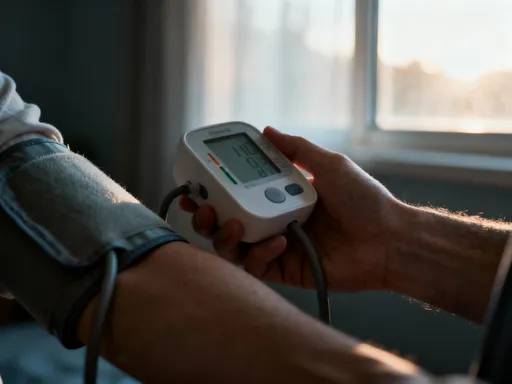
Preventive care begins with awareness. It means paying attention to patterns: How do you feel after meals? Do you wake up rested? Is your energy steady, or do you crash by 3 p.m.? These observations, combined with routine screenings like blood pressure checks, cholesterol panels, and blood glucose tests, can reveal imbalances long before disease sets in. The goal is not to live in fear of test results, but to use them as feedback—like a dashboard for your health.
Reframing health as the presence of vitality, not just the absence of disease, changes everything. It moves us from reactive to proactive. Instead of waiting for a diagnosis to make changes, we can start today. And the best part? The most powerful tools aren’t found in a pharmacy—they’re in your daily choices.
Why Prevention Beats Panic: The Science Behind Staying Ahead
According to the Centers for Disease Control and Prevention (CDC), up to 80% of heart disease, stroke, and type 2 diabetes cases are preventable through lifestyle changes. The World Health Organization (WHO) echoes this, emphasizing that non-communicable diseases—those driven by diet, inactivity, stress, and sleep—are the leading causes of death worldwide, yet largely avoidable. These aren’t just statistics. They represent a powerful truth: your daily habits shape your long-term health more than genetics or luck.
At the core of many chronic conditions are three silent processes: inflammation, insulin resistance, and oxidative stress. Inflammation is the body’s natural response to injury or infection, but when it becomes chronic—fueled by poor diet, lack of sleep, or ongoing stress—it damages tissues and increases the risk of arthritis, heart disease, and even cognitive decline. Insulin resistance occurs when cells stop responding effectively to insulin, the hormone that helps move glucose from the blood into cells. Over time, this leads to high blood sugar and eventually type 2 diabetes. Oxidative stress happens when free radicals—unstable molecules from pollution, processed foods, or metabolism—outnumber antioxidants, damaging cells and accelerating aging.
The good news is that these processes are influenced by lifestyle. For example, a diet high in refined sugars and trans fats promotes inflammation and insulin resistance. Sedentary behavior reduces insulin sensitivity, making it harder for the body to manage blood sugar. Chronic stress raises cortisol, which increases blood pressure and suppresses immune function. But the reverse is also true: healthy choices can calm inflammation, improve insulin response, and boost antioxidant defenses.
What matters most is consistency, not perfection. A single salad won’t reverse years of poor eating, but eating whole foods most of the time can shift your body’s balance over months. One walk won’t prevent heart disease, but moving daily builds cardiovascular resilience. The science of habit formation shows that small, repeated actions create lasting change. Each healthy choice is like a deposit in a health savings account—compounding over time to protect your future.
Prevention isn’t about living in fear of illness. It’s about investing in your body’s ability to function well. It’s choosing actions that support energy, clarity, and strength—not just avoiding disease, but building vitality. And the earlier you start, the greater the return.
Your Daily Defense Toolkit: Simple Habits That Actually Work
You don’t need a drastic overhaul to protect your health. What you need are simple, sustainable habits that fit into real life. The most effective preventive strategies aren’t extreme—they’re repeatable. They don’t require expensive equipment or hours of time. They’re built on consistency, not intensity. Here are four foundational habits that research shows can significantly reduce the risk of chronic disease.
First, move after meals. A short walk of 10 to 15 minutes after eating helps regulate blood sugar by stimulating muscle activity, which allows cells to absorb glucose without relying heavily on insulin. This is especially helpful for women over 40, when metabolism naturally slows. You don’t need a gym or special gear—just comfortable shoes and a willingness to step outside. Whether it’s a loop around the block or pacing while on the phone, this small act can make a measurable difference in your long-term metabolic health.
Second, prioritize protein and fiber at meals. These nutrients help stabilize energy and reduce cravings. Protein supports muscle maintenance, which declines with age, and keeps you feeling full. Fiber slows digestion, preventing blood sugar spikes and feeding beneficial gut bacteria. A breakfast with eggs and vegetables, a lunch with beans and greens, or a dinner with fish and sweet potato provides balanced nutrition without strict dieting. The goal isn’t perfection—it’s progress.
Third, protect your sleep. Adults need 7 to 9 hours of quality sleep per night for optimal health. Poor sleep disrupts hormones that regulate hunger, stress, and immunity. It increases cortisol and ghrelin (the hunger hormone) while reducing leptin (the fullness hormone), making it harder to manage weight and cravings. To improve sleep hygiene, establish a consistent bedtime, avoid screens for at least an hour before bed, and create a calming routine—like reading or light stretching. Even small improvements in sleep quality can enhance mood, focus, and metabolic function.
Fourth, manage stress with breathwork. Chronic stress is a major contributor to inflammation and heart disease. But you don’t need hours of meditation to benefit. Simple breathing exercises—like inhaling for four counts, holding for four, and exhaling for six—can activate the parasympathetic nervous system, lowering heart rate and calming the mind. Doing this for just 2 to 5 minutes a day can reduce stress hormones and improve emotional resilience. It’s a tool you can use anytime, anywhere—while waiting in the carpool line, before a meeting, or during a quiet moment at home.
These habits work because they’re accessible. They don’t demand perfection. They’re not all-or-nothing. You don’t have to walk every day to benefit from walking. You don’t have to eat perfectly to improve your nutrition. The power lies in repetition. Each time you choose a small, healthy action, you reinforce a pattern that protects your body over time.
Food as Foundation: Eating to Prevent, Not Just to Satisfy
Food is more than fuel—it’s information. Every bite sends signals to your cells, influencing how they function, repair, and protect themselves. When you eat a processed snack high in sugar and refined flour, your body responds with a spike in blood sugar and insulin, followed by a crash that leaves you tired and hungry. Over time, this cycle contributes to insulin resistance and weight gain. But when you eat whole foods—vegetables, fruits, legumes, whole grains, lean proteins—your body gets the nutrients it needs to function optimally.
One of the most impactful changes you can make is reducing ultra-processed foods. These include packaged snacks, sugary cereals, fast food, and ready-made meals with long ingredient lists. Studies show that diets high in ultra-processed foods are linked to higher rates of obesity, heart disease, and type 2 diabetes. They’re often low in fiber, high in sodium and added sugars, and contain additives that may disrupt gut health. The gut, often called the “second brain,” plays a crucial role in immunity, mood, and inflammation. Feeding it with whole, fiber-rich foods supports a healthy microbiome, which in turn supports overall health.
You don’t need to eliminate all convenience foods to eat well. The key is balance and awareness. Start by reading labels. If a product has more than five ingredients, or includes words you can’t pronounce, it’s likely highly processed. Choose items with short, recognizable ingredient lists. When shopping, focus on the perimeter of the store—where fresh produce, dairy, and proteins are usually located. The center aisles tend to be filled with processed goods.
Meal prep doesn’t have to be time-consuming. Simple strategies like washing and chopping vegetables ahead of time, cooking a batch of quinoa or brown rice, or roasting a tray of mixed vegetables can make healthy eating easier during busy weeks. Build meals around a plate formula: half non-starchy vegetables, one-quarter lean protein, and one-quarter whole grains or starchy vegetables. Add healthy fats like avocado, olive oil, or nuts in moderation. This approach provides balanced nutrition without calorie counting or strict rules.
Eating well isn’t about deprivation. It’s about choosing foods that make you feel good—energized, clear-headed, and satisfied. When you view food as a way to support your body’s resilience, the choices become more intentional. You’re not just eating to fill your stomach—you’re nourishing your future.
Moving Without the Gym: How Everyday Activity Shields Your Health
Exercise doesn’t have to mean hour-long workouts or heavy weights. For preventive health, the most important factor is regular movement. The human body is designed to move—walking, bending, reaching, climbing. When we sit for long periods, our metabolism slows, circulation decreases, and muscles weaken. But even small amounts of daily activity can counteract these effects.
Walking is one of the most effective and underrated forms of exercise. It improves cardiovascular health, supports joint mobility, and boosts mood by increasing endorphins. A study published in the journal Circulation found that walking 30 minutes a day reduced the risk of heart disease by up to 30%. And you don’t have to do it all at once—three 10-minute walks are just as beneficial as one 30-minute session. Whether it’s a morning walk with the dog, a lunch break stroll, or an evening walk with family, every step counts.
Other forms of natural movement include climbing stairs instead of taking the elevator, parking farther from store entrances, or doing gentle stretching while watching TV. Desk stretches—like shoulder rolls, neck tilts, and seated twists—can relieve tension and improve posture, especially if you work from home or at a computer. Even household chores like vacuuming, gardening, or washing the car contribute to daily activity levels.
The science behind movement is clear: regular motion improves insulin sensitivity, reduces inflammation, and supports brain health. It helps regulate blood pressure and strengthens the heart. And unlike intense workouts, which can feel daunting or unsustainable, everyday movement fits into life without requiring extra time or equipment. The key is to think of activity as part of your routine, not a separate task.
For women in their 30s, 40s, and 50s, maintaining muscle mass is especially important. After age 30, adults lose 3–5% of muscle mass per decade, which slows metabolism and increases frailty risk. Resistance doesn’t have to mean lifting heavy weights. Bodyweight exercises like squats, lunges, and wall push-ups, done just two or three times a week, can preserve strength and support independence as you age.
The message is simple: move more, sit less. You don’t need a gym membership or a fitness tracker. You just need to make movement a natural part of your day. Every bit adds up, and over time, it builds a stronger, more resilient body.
Sleep and Stress: The Silent Game-Changers
If you’re not sleeping well, no amount of perfect eating or exercise will fully compensate. Sleep is when the body repairs tissues, balances hormones, and consolidates memories. Chronic sleep deprivation is linked to higher risks of obesity, diabetes, depression, and heart disease. Yet, many women in midlife struggle with sleep due to hormonal changes, stress, or poor sleep habits.
The connection between sleep and health is profound. During deep sleep, the body releases growth hormone, which helps repair muscles and maintain metabolism. Sleep also regulates cortisol, the stress hormone. When you don’t sleep enough, cortisol stays elevated, increasing inflammation and appetite. Poor sleep disrupts insulin sensitivity, making it harder to manage blood sugar. It also weakens immune function, leaving you more vulnerable to infections.
Improving sleep starts with routine. Going to bed and waking up at the same time every day—even on weekends—helps regulate your body’s internal clock. Creating a wind-down routine signals to your brain that it’s time to rest. This might include dimming the lights, taking a warm bath, reading a book, or practicing gentle yoga. Avoiding screens at least an hour before bed is crucial, as blue light from phones and tablets suppresses melatonin, the hormone that promotes sleep.
Stress is another silent disruptor. Chronic stress keeps the body in “fight or flight” mode, raising heart rate, blood pressure, and inflammation. Over time, this wears down the body’s systems. But stress management doesn’t require hours of therapy or retreats. Simple practices like mindfulness, journaling, or setting boundaries can make a big difference. Learning to say no to extra commitments, delegating tasks, or scheduling quiet time can reduce emotional load.
Mindfulness doesn’t have to be complicated. It can be as simple as pausing to notice your breath, listening to sounds around you, or eating a meal without distractions. These moments of presence help break the cycle of rumination and anxiety. Over time, they build emotional resilience and improve overall well-being.
Together, sleep and stress management form a powerful foundation for prevention. They’re not luxuries—they’re necessities. By prioritizing rest and emotional balance, you give your body the support it needs to stay strong and healthy for years to come.
Partnering With Your Doctor: Smart Screenings and Honest Talks
Preventive care also means working with healthcare professionals. While lifestyle choices are powerful, they don’t replace the need for medical guidance. Regular check-ups allow for early detection of issues that may not have symptoms. Knowing which screenings are appropriate at different stages of life is an important part of self-advocacy.
For women between 30 and 55, key screenings include blood pressure checks (at least annually), cholesterol panels (every 4–6 years, or more often if risk factors exist), and blood glucose tests (to monitor for insulin resistance or diabetes). A hemoglobin A1C test, which measures average blood sugar over three months, is especially useful for detecting prediabetes. Women should also stay up to date with recommended cancer screenings, such as mammograms and cervical cancer tests, based on their doctor’s advice.
But a check-up is more than a battery of tests. It’s an opportunity for conversation. Come prepared with questions: What do my numbers mean? Are there trends I should watch? What lifestyle changes would make the biggest difference? Share your concerns—even if they seem minor. Fatigue, sleep issues, or mood changes are valid topics. A good doctor-patient relationship is built on trust and open communication.
View your doctor as a partner, not an authority figure. You are the expert on your body. You know your energy levels, your stress, your habits. When you bring that knowledge to the conversation, you create a more complete picture of your health. Together, you can develop a plan that fits your life and supports your goals.
Don’t hesitate to seek a second opinion if something doesn’t feel right. You have the right to understand your health and make informed decisions. Preventive care is a team effort—between you, your choices, and your healthcare providers.
Small Steps, Stronger Future
True health isn’t built in a day. It’s created through small, consistent choices that add up over time. You don’t need a dramatic transformation to make a difference. You just need to start. Listen to your body’s quiet signals. Move a little more. Eat a little better. Sleep a little deeper. Breathe through the stress. These are not grand gestures—they are acts of care.
By focusing on prevention, you’re not just avoiding illness. You’re building a life of energy, clarity, and strength. You’re giving yourself the gift of more vibrant years—more moments with loved ones, more joy in daily activities, more confidence in your body’s ability to keep up.
You don’t have to be perfect. You just have to be consistent. Start where you are. Use what you have. Do what you can. Your future self is counting on you. And the time to begin is now.