Why Strength Training Changed My Health—And What I Noticed First
You don’t need hours at the gym to see real health changes—sometimes, just a few focused strength sessions can shift everything. I started lifting weights not for looks, but because my energy was crashing and my doctor mentioned rising health risks. What surprised me? The changes showed up fast—not just in how I looked, but in how I felt. Blood pressure? Better. Energy? Through the roof. This is what happens when strength training meets real-life health markers. It wasn’t about chasing a certain image; it was about reclaiming how I moved through the day, how I slept at night, and how I responded to stress. What began as a cautious experiment turned into a cornerstone of my well-being.
The Wake-Up Call: When Health Indicators Started Flaring
Like many women in their late 30s and beyond, I had grown accustomed to a certain level of fatigue. Mornings were sluggish, afternoons were powered by coffee, and by 7 p.m., all I wanted was to collapse on the couch. I thought this was just part of adult life—until my annual physical painted a different picture. My blood pressure was creeping into the prehypertensive range, and my fasting glucose was no longer in the ideal zone. My doctor didn’t alarm me, but she did suggest that small changes now could prevent bigger problems later. That conversation lingered in my mind, not because I feared immediate danger, but because I realized I wasn’t living as well as I could be.
The signs had been subtle, almost invisible in the rhythm of daily life. I was sleeping more hours, yet waking up unrefreshed. My waistline had expanded slightly over the years, not dramatically, but enough that my favorite jeans felt tighter. I blamed it on aging, on motherhood, on stress. But the truth was, my body was sending signals I had ignored. I wasn’t just tired—I was metabolically off track. The usual advice—eat less, walk more—hadn’t moved the needle. I walked daily, watched my portions, and still, something wasn’t right. It was clear I needed a different approach, one that addressed the root of the imbalance, not just the surface symptoms.
This moment of clarity became my turning point. I began researching what truly supports long-term metabolic health, and one factor kept appearing: muscle mass. Studies consistently show that muscle isn’t just for movement—it plays a vital role in regulating blood sugar, supporting cardiovascular health, and maintaining energy balance. As we age, particularly after 40, we naturally lose muscle mass at a rate of about 3–8% per decade, a process known as sarcopenia. Without intervention, this loss accelerates, leading to slower metabolism, increased fatigue, and higher risk for chronic conditions. The realization hit me: I wasn’t just tired because of a busy schedule. I was tired because my body was losing its metabolic engine.
Why I Tried Strength Training (And Was Skeptical at First)
When I first considered strength training, I admit I had reservations. Images of bulky bodybuilders, clanging weights, and complicated routines filled my mind. I thought it was for young athletes or people obsessed with their appearance. I worried it would take too much time, require a gym membership, or worse—lead to injury. Like many, I associated strength work with intensity and aggression, not health and sustainability. The idea of lifting weights felt intimidating, even unnecessary, for someone like me who just wanted to feel better.
But as I dug deeper, I discovered a different story. Research from organizations like the American College of Sports Medicine and the Centers for Disease Control and Prevention emphasizes that strength training is one of the most effective tools for improving metabolic health, especially for middle-aged adults. Muscle tissue is metabolically active, meaning it burns calories even at rest. More importantly, muscles act as glucose sinks—they absorb sugar from the bloodstream during and after exercise, improving insulin sensitivity. This is crucial for preventing insulin resistance, a precursor to type 2 diabetes. In fact, a 2021 study published in the Journal of the American Heart Association found that adults who engaged in regular muscle-strengthening activities had a significantly lower risk of cardiovascular disease and all-cause mortality.
These findings shifted my perspective. Strength training wasn’t about aesthetics or performance; it was about function and longevity. It was preventive medicine in physical form. Instead of seeing it as a punishment or a chore, I began to view it as an act of self-respect—an investment in my future self. I realized that just as I schedule doctor visits and dental cleanings, I should also prioritize activities that maintain my internal health. The goal wasn’t to lift heavy weights or achieve a certain look. It was to build resilience, to support my body’s natural systems, and to feel strong in my daily life. With this mindset, I was ready to start—carefully, consistently, and with realistic expectations.
My First Moves: The 3 Simple Exercises That Made a Difference
I didn’t jump into complex routines or buy expensive equipment. I started with three foundational exercises that required minimal space, no gym, and very little time. The first was the bodyweight squat. It seemed simple, but I quickly learned that proper form made all the difference. I stood with feet shoulder-width apart, lowered myself as if sitting into a chair, kept my chest up, and made sure my knees didn’t go past my toes. At first, ten reps felt challenging. Within a few weeks, I could do three sets of fifteen with ease. This movement engaged my glutes, quads, and core—major muscle groups that, when strengthened, have a powerful effect on metabolism.
The second exercise was the resistance band row. I anchored a looped band to a sturdy door handle, held the ends, and pulled my arms back, squeezing my shoulder blades together. This targeted my upper back and rear shoulders—areas often weakened by daily postures like sitting at a desk or looking at a phone. Strengthening these muscles improved my posture and reduced neck tension. I started with a light band and gradually moved to medium resistance as my strength increased. Because resistance bands are affordable and portable, I could do this exercise at home, while traveling, or even during a break at work.
The third movement was the dumbbell deadlift. I used a pair of 10-pound weights, stood with feet hip-width apart, and hinged at the hips while keeping my back straight. I lowered the weights along my shins, felt a stretch in my hamstrings, then returned to standing by engaging my glutes. This exercise strengthened my posterior chain—the muscles along the back of my body—which are critical for balance, mobility, and injury prevention. I began with two sets of eight, focusing on control rather than speed. Over time, I increased to three sets of twelve and eventually used slightly heavier weights.
I committed to just two 20-minute sessions per week. I didn’t push for exhaustion or soreness. Instead, I focused on consistency, proper form, and gradual progression. I tracked my workouts in a simple notebook, noting how I felt each session. Some days were harder than others, and that was okay. The key was showing up. Within a month, I noticed I could perform the movements with more ease, my balance improved, and I felt more grounded in my body. These small wins built confidence and reinforced the habit.
The First Health Shift: Energy and Sleep (Within Two Weeks)
The most immediate change I noticed wasn’t on the scale or in the mirror—it was in my energy levels. Within two weeks, the afternoon slump that used to hit like a wall around 3 p.m. began to fade. I no longer reached for a second cup of coffee or a sugary snack to get through the day. Instead, I felt a steady, sustained energy that carried me from morning to evening. I attributed this to several factors: increased muscle activity improved my body’s ability to regulate blood glucose, reducing the spikes and crashes that cause fatigue. Additionally, strength training stimulates the release of endorphins and other neurochemicals that enhance alertness and mood.
Equally striking was the improvement in my sleep. I’ve always been a light sleeper, prone to waking up during the night. But after starting strength training, I found myself falling asleep faster and staying asleep longer. My sleep felt deeper, more restorative. Research supports this experience: physical activity, particularly resistance training, has been shown to improve sleep quality by helping regulate the body’s circadian rhythm. Muscle exertion increases the need for recovery, signaling the brain that rest is necessary. At the same time, the reduction in daily stress—both physical and mental—contributes to a calmer nervous system at bedtime.
These changes had a ripple effect on my daily life. Mornings became easier. I woke up feeling more refreshed, which made it simpler to start the day with intention rather than urgency. I had more patience with my family, more focus at work, and more motivation to stay active throughout the day. I wasn’t just surviving—I was thriving. The mental clarity that came with better sleep and stable energy allowed me to make healthier choices without feeling deprived. I naturally reached for nourishing foods, moved more during the day, and felt more in tune with my body’s needs. This wasn’t a result of willpower; it was a consequence of better physiology.
Blood Work That Spoke Volumes: 8 Weeks In
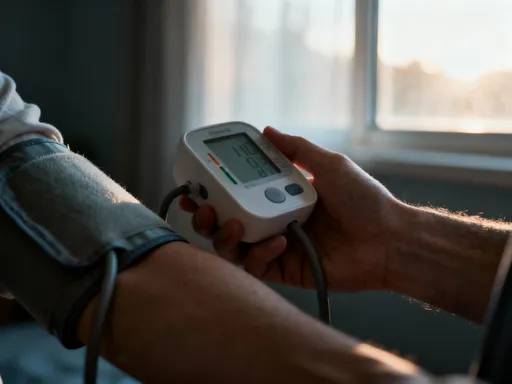
At my follow-up appointment eight weeks after starting strength training, my doctor was surprised—pleasantly. My resting heart rate had dropped from 78 to 70 beats per minute, a sign of improved cardiovascular efficiency. My blood pressure, which had been 132/86 at the previous visit, was now 122/78—solidly within the normal range. Even more encouraging was my HbA1c level, which measures average blood sugar over the past three months. It had decreased from 5.7% to 5.4%, moving me further away from the prediabetic range. My doctor noted these improvements and asked what had changed. When I told her about my strength routine, she nodded and said, “Muscle is metabolically protective. You’re doing exactly what your body needs.”
These markers matter because they reflect internal health in ways that weight alone cannot. While the scale didn’t change dramatically, my body composition was shifting. I was gaining lean muscle and losing fat, particularly visceral fat—the type that surrounds organs and increases inflammation and disease risk. Muscle tissue improves insulin sensitivity by increasing the number of glucose transporters in cells, allowing sugar to be used more efficiently. This is why strength training is now recommended as a core component of diabetes prevention and management by the American Diabetes Association.
What’s more, building muscle supports heart health. Stronger muscles improve circulation, reduce arterial stiffness, and help regulate blood pressure. A 2019 study in Medicine & Science in Sports & Exercise found that adults who performed strength training two or more times per week had a 40–70% lower risk of developing metabolic syndrome—a cluster of conditions that increase the risk of heart disease and stroke. These findings underscore that strength training isn’t just about appearance; it’s a powerful modulator of key health indicators. The numbers on my lab results weren’t just statistics—they were proof that my body was healing from the inside out.
Beyond the Numbers: Daily Life Got Easier
The benefits extended far beyond lab results and fitness metrics. Everyday tasks that once felt tiring became effortless. I could carry grocery bags up the stairs without stopping to rest. I played with my children at the park, keeping up with their energy without feeling winded. I stood in the kitchen preparing meals for longer periods without lower back discomfort. Simple movements—bending, lifting, reaching—felt smoother, more controlled. This wasn’t just about strength; it was about functional fitness, the ability to move through life with ease and confidence.
Mentally, I noticed a shift as well. There was a quiet confidence that came from knowing my body was capable. I stood taller, moved with more purpose, and felt less anxious about aging. Strength training created a stronger mind-body connection. Each session became a form of mindfulness—a time to focus on breath, movement, and sensation. The discipline of showing up for myself translated into other areas of life: I made better food choices, prioritized rest, and set boundaries to protect my time and energy. It wasn’t a rigid routine; it was a natural alignment with self-care.
And the effects compounded. As I felt stronger, I wanted to move more. I took longer walks, parked farther from store entrances, stood while talking on the phone. I sat less during the day, breaking up long periods of inactivity. These small changes added up, creating a lifestyle that supported sustained health. I wasn’t chasing perfection; I was building resilience. The confidence I gained wasn’t vanity—it was empowerment. I realized that strength isn’t just physical; it’s emotional, mental, and deeply personal.
How to Start Without Overwhelm: A Realistic Roadmap
If you’re considering strength training, the best place to start is where you are. Begin by assessing your current fitness level and any physical limitations. If you have pre-existing conditions like high blood pressure, joint pain, or a history of injury, consult your doctor or a physical therapist before beginning. This isn’t a sign of weakness—it’s a smart step toward safe, sustainable progress. You don’t need to be in perfect health to start; you just need to start wisely.
Choose exercises that are accessible and scalable. Bodyweight squats, resistance band rows, and dumbbell deadlifts are excellent starting points because they target major muscle groups with minimal equipment. Look for free, reputable resources online—many certified trainers offer beginner-friendly videos on platforms like YouTube. Apps like Nike Training Club or the American Council on Exercise’s FitLife provide structured routines you can do at home. Start with two 15- to 20-minute sessions per week. Focus on form, not speed or weight. Use a mirror or record yourself to check alignment. Consider working with a certified trainer for one or two sessions to learn proper technique—it’s a worthwhile investment.
Track your progress beyond the scale. Notice how your clothes fit, how you feel climbing stairs, how your energy holds up through the day. Celebrate non-scale victories: better sleep, reduced pain, improved mood. These are the true markers of success. Be patient. Muscle growth and metabolic changes take time, but the benefits begin much sooner. Remember, consistency matters more than intensity. Missing a session isn’t failure—it’s part of the process. What matters is returning to the routine without guilt or frustration.
Conclusion: Strength as a Lifelong Health Habit
Looking back, the decision to start strength training was one of the most impactful health choices I’ve made. It didn’t require drastic changes or extreme measures. It required showing up, being consistent, and trusting the process. The transformations were both immediate and long-term: better energy, deeper sleep, improved lab results, and greater ease in daily life. But more than that, it changed how I view my body—not as something to fix, but as something to honor and care for.
Strength training is not a trend or a temporary fix. It is a lifelong habit that supports health, independence, and vitality as we age. It is not reserved for athletes or the young. It is for anyone who wants to feel stronger, move better, and live well. The beauty of it lies in its simplicity: a few minutes, a few movements, repeated over time, can yield profound results. You don’t need to lift heavy or train for hours. You just need to begin.
It’s never too late to build strength. Whether you’re 35, 45, or 55, your muscles respond to stimulus. Small efforts compound quickly. Every squat, every row, every mindful repetition is a deposit into your future health. This isn’t about punishment or perfection. It’s about presence, self-respect, and the quiet power of showing up for yourself. Strength is not just in the muscles—it’s in the choice to take care of you.