What If Your Plate Could Turn Back Time?
Aging is inevitable, but how we age is largely within our control. I used to think fine lines and low energy were just part of getting older—until I discovered how powerful food combinations can be. By simply pairing the right nutrients, I felt more vibrant, my skin glowed, and my stamina improved. This isn’t magic—it’s science. Nutrients don’t work in isolation; they communicate, enhance, and protect one another when combined wisely. What you eat matters, but how you combine it can unlock deeper health benefits. In this guide, you’ll learn how food synergy supports graceful aging, from the inside out, with practical, research-backed strategies that fit real life.
The Hidden Power of Food Pairing in Anti-Aging
Most people search for the next miracle superfood—kale, acai, matcha—hoping one ingredient will reverse the clock. But decades of nutritional science reveal a more powerful truth: the real anti-aging potential lies not in single foods, but in how they work together. This concept, known as nutrient synergy, refers to the way certain vitamins, minerals, and plant compounds enhance each other’s absorption and biological activity. For example, vitamin C can increase non-heme iron absorption from plant sources by up to three times. When you eat a spinach salad with sliced bell peppers or lemon dressing, you’re not just eating healthy—you’re eating smarter.
At the cellular level, this synergy directly influences aging. Oxidative stress, the damage caused by free radicals, is a primary driver of aging. Antioxidants like vitamin E, selenium, and polyphenols neutralize these harmful molecules, but they often require co-factors to function optimally. Vitamin E, for instance, is fat-soluble and needs dietary fats for proper absorption. Without healthy fats, your body may not fully utilize the antioxidant benefits of foods like almonds or sunflower seeds. Pairing them with avocado or olive oil ensures these nutrients are not only absorbed but also delivered to cell membranes where they protect against damage.
Another powerful example is collagen production. Collagen, the protein responsible for skin elasticity and joint strength, requires vitamin C for synthesis. But it also depends on amino acids from protein sources like eggs, fish, or legumes. Eating a breakfast of scrambled eggs with tomatoes and a side of orange slices isn’t just delicious—it’s a targeted strategy to support skin firmness and tissue repair. The body doesn’t see meals as isolated ingredients; it sees combinations. When nutrients are paired effectively, they create a biochemical environment that supports slower aging, reduced inflammation, and improved cellular resilience.
Moreover, gut health—a cornerstone of longevity—is also influenced by food synergy. Fiber from whole grains and vegetables feeds beneficial gut bacteria, but those bacteria thrive best when supported by polyphenols from berries, tea, or dark chocolate. Together, these compounds promote a diverse microbiome, which research links to reduced systemic inflammation, stronger immunity, and even better mood regulation. The takeaway is clear: no single food holds the key to aging well. The power lies in thoughtful combinations that amplify each other’s effects, turning everyday meals into proactive tools for health.
Why Your Current Diet Might Be Falling Short
You may already eat salads, drink green smoothies, and avoid processed snacks, yet still feel tired, notice dull skin, or struggle with afternoon crashes. The issue may not be what you’re eating—but how you’re combining it. Many well-intentioned diets lack nutrient synergy, leading to suboptimal absorption and diminished results. For instance, consuming a bowl of oatmeal topped with strawberries sounds healthy, but without a source of fat or vitamin C, the body may not fully absorb the iron in oats or the antioxidants in berries. The meal is nutritious on paper, but its real-world impact is limited.
Another common gap is the separation of fat-soluble vitamins from dietary fats. Vitamins A, D, E, and K require fat for absorption. Yet many people follow low-fat diets or avoid oils, dairy, and nuts, unknowingly reducing their ability to benefit from colorful vegetables rich in these vitamins. Carotenoids like beta-carotene in carrots or lycopene in tomatoes are only efficiently absorbed when consumed with fat. A plain carrot stick is better than nothing, but a carrot stick dipped in hummus or tossed in olive oil dressing delivers far greater anti-aging value.
Similarly, plant-based iron sources—such as lentils, tofu, and fortified cereals—are often underutilized because they are not paired with vitamin C-rich foods. Without this pairing, iron absorption can be as low as 2–5%. But when lemon juice is added to a lentil soup or a bell pepper is included in a tofu stir-fry, absorption increases significantly. This is especially important for women over 40, who may experience declining iron levels due to hormonal shifts. The body doesn’t lack iron—it lacks the right conditions to absorb it.
Digestive efficiency also suffers when meals lack synergy. Protein requires an acidic stomach environment for proper breakdown, yet many people drink large amounts of water or tea during meals, diluting stomach acid. Starting a meal with a small portion of fermented vegetables or a splash of lemon juice can support natural acid production, improving protein digestion and nutrient uptake. These small, strategic adjustments don’t require a complete diet overhaul—they simply enhance what you’re already doing. Recognizing these gaps is the first step toward transforming your plate from a source of calories into a source of cellular renewal.
The Top 5 Anti-Aging Food Duos (Backed by Science)
Scientific research has identified specific food pairings that significantly enhance nutrient absorption and biological activity. These combinations are not trendy fads—they are grounded in biochemistry and supported by clinical studies. Integrating them into daily meals can amplify anti-aging effects without requiring special supplements or expensive ingredients. Here are five of the most effective, research-backed duos.
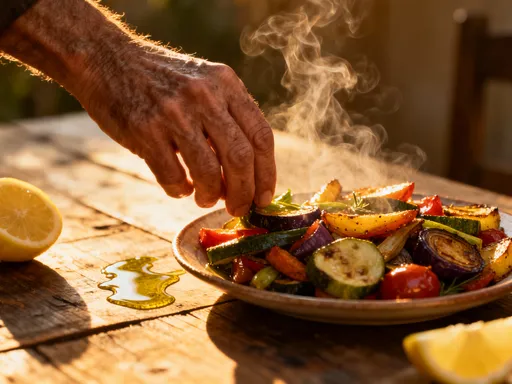
First, **tomatoes and olive oil**. Tomatoes are rich in lycopene, a powerful antioxidant linked to reduced oxidative stress and improved skin elasticity. However, lycopene is fat-soluble, meaning it requires fat for optimal absorption. Studies show that consuming tomatoes with olive oil can increase lycopene absorption by up to 400%. Cooking tomatoes further enhances this effect by breaking down cell walls and releasing more lycopene. A simple dish of roasted tomatoes drizzled with extra virgin olive oil isn’t just flavorful—it’s a targeted strategy for protecting cells and supporting radiant skin.
Second, **turmeric and black pepper**. Turmeric contains curcumin, a compound with potent anti-inflammatory and antioxidant properties. However, curcumin is poorly absorbed on its own and quickly metabolized. Adding just a pinch of black pepper, which contains piperine, can increase curcumin absorption by up to 2,000%. This dramatic enhancement makes the duo a cornerstone of longevity-focused diets. Adding turmeric to golden milk, soups, or rice dishes—with a dash of black pepper—ensures you receive the full benefits of this ancient spice.
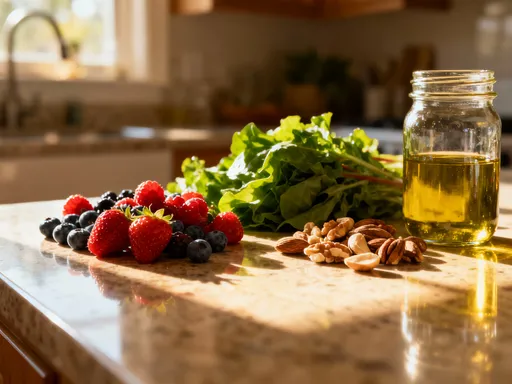
Third, **berries and nuts**. Berries are loaded with anthocyanins, antioxidants that protect against cellular aging and support brain health. Nuts like walnuts and almonds provide healthy fats and vitamin E, which stabilize cell membranes. When eaten together, the fats in nuts enhance the absorption of berry antioxidants, while vitamin E works synergistically with anthocyanins to reduce oxidative damage. A small handful of mixed berries with a serving of raw nuts makes a perfect midday snack that supports both cognitive function and skin health.
Fourth, **green tea and lemon**. Green tea is rich in catechins, particularly EGCG, which has been studied for its role in metabolic health and cellular protection. However, catechins are sensitive to pH and can degrade in the digestive tract. Adding lemon juice increases acidity, stabilizing catechins and improving their bioavailability. Drinking green tea with a squeeze of fresh lemon not only enhances flavor but also maximizes its anti-aging potential. This simple tweak transforms a common beverage into a more effective health tool.
Fifth, **oats and cinnamon**. Oats provide beta-glucan, a soluble fiber that supports heart health and blood sugar regulation. Cinnamon contains compounds that improve insulin sensitivity and reduce post-meal glucose spikes. When combined, they create a powerful duo for metabolic balance. Eating oatmeal with cinnamon helps prevent glycation—the process by which excess sugar binds to proteins, accelerating skin aging and tissue damage. This pairing supports stable energy, reduced inflammation, and long-term cellular protection. A warm bowl of oats with cinnamon, nuts, and berries is not just comforting—it’s a science-backed anti-aging meal.
Meal Timing and Nutrient Sequencing for Longevity
When you eat can be just as important as what you eat. Emerging research in metabolic health shows that the order in which nutrients are consumed during a meal significantly impacts blood sugar levels, digestion, and nutrient absorption. This concept, known as nutrient sequencing, offers a simple yet powerful way to support longevity. For example, eating fiber-rich vegetables or a small salad before consuming carbohydrates can reduce post-meal glucose spikes by up to 75%. This is critical because chronic blood sugar fluctuations contribute to glycation, inflammation, and accelerated aging.
The mechanism is straightforward: fiber slows the digestion and absorption of carbohydrates, preventing rapid insulin surges. By starting a meal with non-starchy vegetables—such as leafy greens, broccoli, or zucchini—you create a physical barrier in the stomach that delays carb absorption. Following with protein and healthy fats further stabilizes blood sugar. This sequence not only supports metabolic health but also enhances satiety, reducing the likelihood of overeating. Over time, consistent meal sequencing can improve insulin sensitivity, reduce abdominal fat, and support clearer skin.
Another effective strategy is drinking a small glass of lemon water or consuming a fermented food like sauerkraut before a protein-rich meal. The acidity primes the stomach for digestion, ensuring adequate hydrochloric acid production, which is essential for breaking down proteins into amino acids. As we age, stomach acid production naturally declines, leading to poor protein digestion and potential nutrient deficiencies. Supporting digestion through timing and acidity can prevent bloating, gas, and malabsorption, allowing the body to fully benefit from high-quality proteins needed for muscle maintenance and tissue repair.
Snacking habits also matter. Consuming fruit alone can cause a quick rise in blood sugar, especially if eaten on an empty stomach. Pairing fruit with a source of fat or protein—such as apple slices with almond butter—slows sugar absorption and provides sustained energy. Similarly, having a small handful of nuts before a meal can reduce appetite and prevent overeating, thanks to their combination of fiber, protein, and healthy fats. These small timing adjustments require no special tools or planning—they simply align with the body’s natural rhythms to support long-term vitality.
Building Your Daily Anti-Aging Plate
Creating a plate that supports graceful aging doesn’t require strict rules or exotic ingredients. It’s about balance, variety, and intentional combinations. A powerful model is the Mediterranean-style plate, which emphasizes whole foods, colorful vegetables, healthy fats, and lean proteins. This eating pattern has been consistently linked to longer lifespan, reduced chronic disease risk, and better cognitive function. By applying nutrient synergy principles, you can adapt this style to fit your preferences and lifestyle.
Start with color. Aim to include at least three different colors of vegetables or fruits in each meal. Red tomatoes, dark leafy greens, orange carrots, and purple cabbage each offer unique antioxidants and phytonutrients. Roast a mix of vegetables with olive oil and herbs for dinner, or add a variety of sliced veggies to a grain bowl. The broader the color spectrum, the wider the range of protective compounds you consume.
Next, include a source of healthy fat. Avocado, olives, nuts, seeds, and olive oil not only enhance nutrient absorption but also support hormone balance and brain health. Add a quarter of an avocado to your salad, sprinkle flaxseeds on yogurt, or drizzle tahini over roasted vegetables. These fats are satisfying and essential for absorbing fat-soluble vitamins.
Protein should be moderate but consistent. Include plant-based sources like lentils, chickpeas, and tofu, or animal-based options like eggs, fish, and poultry. Pairing protein with vitamin C-rich foods—such as broccoli with lemon or beans with tomatoes—supports collagen synthesis and iron absorption. A lunch bowl with quinoa, black beans, roasted sweet potatoes, kale, and a lemon-tahini dressing combines all key elements: complex carbs, protein, fiber, healthy fats, and synergistic nutrients.
For breakfast, try Greek yogurt with mixed berries, chia seeds, and a sprinkle of cinnamon. The yogurt provides protein and probiotics, the berries offer antioxidants, the chia seeds add omega-3s and fiber, and the cinnamon helps regulate blood sugar. This meal supports gut health, skin clarity, and sustained energy. Dinner could be baked salmon with a side of sautéed spinach in olive oil and a tomato-herb salsa—delivering omega-3s, iron, lycopene, and vitamin C in one balanced plate. These meals are not about restriction—they’re about inclusion, enjoyment, and long-term nourishment.
Real Changes, Real Results: What to Expect
Adopting food synergy is not about dramatic overnight transformations. It’s about gradual, meaningful shifts that compound over time. Many women report improved digestion within the first few days—less bloating, more regularity, and better comfort after meals. This happens because better nutrient absorption and improved gut function reduce digestive strain. Within two to four weeks, changes in skin appearance often become noticeable: a more even tone, reduced dryness, and a natural glow. This reflects improved hydration, collagen support, and reduced oxidative stress.
Energy levels typically stabilize within a month. Instead of mid-afternoon crashes, many experience sustained alertness and mental clarity. This is due to balanced blood sugar, better mitochondrial function, and reduced inflammation. Over several months, joint comfort, sleep quality, and overall resilience often improve. These changes are not marketed as miracles—they are the natural result of giving your body the right tools to function optimally.
Tracking progress can be subtle. Instead of focusing solely on the scale, pay attention to how clothes fit, how you feel during daily activities, and your overall sense of well-being. Taking weekly photos or journaling small improvements—like “I had energy after walking” or “my skin looks brighter”—can help reinforce consistency. The goal is not to look decades younger, but to feel strong, capable, and vibrant at every stage of life. These outcomes are not dependent on perfection; they come from consistent, informed choices that honor your body’s needs.
Sustainability Over Perfection: Making It Last
The most effective longevity strategies are the ones you can maintain for years, not days. Rigid diets often fail because they don’t account for real life—busy schedules, travel, holidays, and social events. The beauty of food synergy is its flexibility. You don’t need to eliminate foods or follow strict rules. Instead, you build habits that enhance what you already eat. Add lemon to your tea, drizzle olive oil on vegetables, or include a handful of nuts with fruit. These small acts accumulate into lasting change.
When traveling, focus on balance. Choose meals that include vegetables, protein, and healthy fats, even if they’re not perfectly paired. At restaurants, ask for dressings on the side or request olive oil and lemon. During busy days, prepare simple combinations—like a banana with peanut butter, or cottage cheese with berries and cinnamon. These require minimal effort but still support nutrient synergy.
Social gatherings don’t have to disrupt progress. Enjoy meals with loved ones without guilt. If a dish lacks fat, add avocado or nuts. If it’s heavy in carbs, balance it with a side salad eaten first. The goal is not perfection, but awareness and gentle optimization. Over time, these choices become second nature, woven into your lifestyle without stress or deprivation.
Finally, remember that aging is not the enemy. The goal is not to stop time, but to live it fully—with strength, clarity, and joy. Food is one of the most powerful tools we have to shape how we age. By understanding and applying the principles of nutrient synergy, you take an active role in your health. You’re not just eating to survive—you’re eating to thrive. And that, more than any supplement or trend, is the true secret to graceful, vibrant aging.