How I Finally Broke Free from Smoking and Drinking—And What Exercise Taught Me
Quitting smoking and cutting back on alcohol isn’t just about willpower—it’s about building a life that doesn’t need them. For years, I chased quick fixes, only to relapse when stress hit. What changed? Movement. Not intense workouts, but consistent, mindful exercise that rebuilt my body and mind. This isn’t a miracle story. It’s a real journey of small wins, setbacks, and long-term shifts. Let me walk you through how exercise became my anchor.
The Breaking Point: When Habits Overpowered Me
There was a morning I’ll never forget. I woke up gasping, my chest tight, heart pounding like it wanted out. I was 42, sitting on the edge of my bed, hands trembling—not from fear, but from nicotine withdrawal and last night’s third glass of wine. That moment wasn’t dramatic in the way movies show, but it was real. My reflection in the bathroom mirror looked older, worn down, like someone who had given up without realizing it. I had always told myself I was in control—that smoking helped me think, that wine helped me unwind. But the truth was, I wasn’t unwinding. I was escaping.
For over two decades, cigarettes and alcohol had been my default responses. A long day? A drink. An argument with a loved one? A smoke. A quiet evening alone? Both. They weren’t just habits—they were rituals woven into the fabric of my daily life. I didn’t reach for them because I enjoyed them anymore. I reached for them because I didn’t know how else to cope. The cycle was simple: stress built up, I reached for relief, temporary calm followed, then guilt, then more stress. And around it went, tighter with each turn.
What kept me stuck wasn’t lack of desire to change. I had tried quitting countless times—cold turkey, patches, apps, even a short-lived meditation practice. But every attempt failed within weeks. Why? Because I was only treating the symptom, not the cause. I was trying to remove something without putting anything meaningful in its place. I hadn’t yet learned that lasting change isn’t about force. It’s about replacement. It’s about filling the void with something that satisfies the same need—without the cost.
That morning, I didn’t make a grand decision. I didn’t throw out my cigarettes or pour wine down the sink. I simply acknowledged that I could no longer live this way. I didn’t have a plan, but I had a whisper of hope: maybe there was another way to feel calm, to feel alive, without depending on substances that were slowly dimming my light.
Why Willpower Fails—And What Actually Works
For years, I blamed myself for failing. I thought I lacked discipline, that I was weak-willed compared to others who quit easily. But science tells a different story. Willpower is not a character flaw—it’s a limited resource, like a muscle that tires under constant use. Studies in behavioral psychology show that relying solely on self-control to break addictive habits is one of the least effective strategies. The brain is wired to seek comfort, especially under stress, and expecting it to simply say “no” without offering an alternative is like asking a car to run without fuel.
What actually works is understanding the triggers behind the behavior. Smoking and drinking rarely happen in a vacuum. They are responses—to emotions, to routines, to environments. A phone call from a difficult relative? That used to mean a cigarette. Sitting on the couch after dinner? That was wine time. These weren’t random choices. They were conditioned responses, built over years of repetition. The brain learns: stress → smoke → temporary relief → repeat. The same pattern applies to alcohol. The cue might be boredom, loneliness, or fatigue. The routine is pouring a glass. The reward is a brief sense of calm or numbness.
Breaking this cycle doesn’t require more willpower. It requires a better routine. Researchers call this “habit substitution”—replacing an unhealthy behavior with a healthier one that satisfies the same emotional or physiological need. Exercise fits this role perfectly. It reduces stress, boosts mood, and provides a sense of accomplishment. Unlike smoking or drinking, it doesn’t come with a crash or guilt. Instead, it builds energy, clarity, and resilience over time. When I started walking daily, I wasn’t just moving my body. I was retraining my brain to respond to stress with action, not avoidance.
Moreover, exercise changes the environment. It takes you out of the setting where old habits thrive. Instead of sitting in the same chair with a glass in hand, you’re outside, moving, breathing fresh air. The physical shift supports the mental one. Over time, the new behavior becomes automatic. You don’t walk because you’re forcing yourself. You walk because it feels right. That’s when real change takes root—not in resistance, but in alignment.
Exercise as Medicine: Rewiring the Brain Naturally
One of the most powerful lessons I learned is that movement is medicine. Not in a metaphorical sense, but in a biological one. When we exercise, our bodies release a cascade of natural chemicals that affect mood, focus, and cravings. Endorphins, often called the body’s natural painkillers, create a gentle sense of well-being. Dopamine, the same chemical involved in addiction, is also released during physical activity—but in a balanced, healthy way. This is key. Exercise doesn’t eliminate cravings by suppressing them. It satisfies the brain’s need for reward in a way that supports long-term health.
Smoking and drinking hijack the brain’s reward system. Nicotine delivers a fast, intense dopamine spike, followed by a drop that leaves you craving more. Alcohol initially reduces anxiety by enhancing GABA, a calming neurotransmitter, but over time, it disrupts the brain’s natural ability to regulate stress. The result? You need more to feel the same effect, and without it, you feel worse. Exercise works differently. It doesn’t provide an instant high. Instead, it builds a steady baseline of mental stability. Over time, the brain becomes less reactive to stress and less dependent on external substances to feel balanced.
Even light activity has a measurable impact. A 20-minute walk can reduce anxiety as effectively as some anti-anxiety medications, according to clinical studies. Movement increases blood flow to the brain, improving cognitive function and emotional regulation. It also helps regulate sleep, which is often disrupted during recovery. Better sleep means better mood control, which means fewer urges to self-medicate with substances. It’s a positive feedback loop: exercise improves sleep, sleep reduces stress, and lower stress reduces cravings.
What surprised me most was how quickly I noticed changes. Within two weeks of daily walking, I felt calmer. My mind was clearer. I wasn’t obsessed with when I could smoke or drink. The cravings didn’t vanish, but they lost their urgency. I began to see exercise not as a chore, but as a gift—a way to care for myself without harm. It became my new ritual, one that left me stronger instead of drained.
Starting Small: My First Real Step Forward
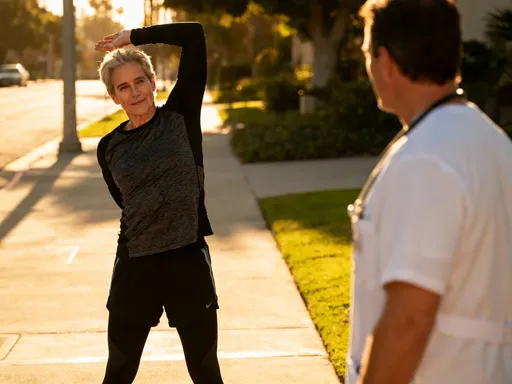
I didn’t start with a gym membership or a fitness tracker. I started with a pair of comfortable shoes and a promise: just 10 minutes a day. That was it. No pressure to go faster, farther, or longer. Just move. I chose the time right after my morning coffee, when I would normally step outside for a cigarette. Instead, I walked to the end of the street and back. Some days, I barely made it five minutes before turning around. Others, I kept going until the timer hit 12. But I showed up. And that was the victory.
Consistency mattered more than intensity. In the beginning, I wasn’t trying to get fit. I was trying to build a new habit in the space where the old one used to live. By pairing the walk with an existing routine—coffee—I made it easier to remember and harder to skip. This is a principle known as “habit stacking,” where you link a new behavior to an established one. It removes the need for constant decision-making, which is crucial when willpower is low.
I also learned not to judge my progress. There were days I didn’t feel like walking. Days I stayed in bed too long. Days I gave in and smoked half a cigarette. But I didn’t let those moments derail me. Instead of thinking, “I failed,” I asked, “What can I do now?” Often, the answer was simply to go for a walk later. The goal wasn’t perfection. It was persistence. Over time, the walks became something I looked forward to. The fresh air, the quiet, the rhythm of my steps—it felt like a reset button for my mind.
Tracking helped, but not in the way I expected. I didn’t count steps or calories. I used a simple calendar on the fridge. Each day I walked, I put a checkmark. The visual cue of a growing chain motivated me to keep it going. There was no shame in a blank day. But seeing the streak build gave me a quiet sense of pride. Small wins, repeated, created momentum. And momentum, not motivation, is what carries you through change.
Building Momentum: From Walking to Working Out
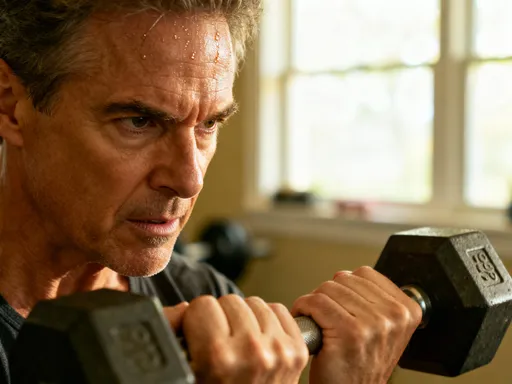
After six weeks of daily walks, something shifted. I wasn’t just tolerating movement—I was enjoying it. My energy levels improved. I slept more deeply. I noticed my clothes fitting better. These weren’t dramatic transformations, but they were real. And they fueled my desire to do more. That’s when I introduced simple bodyweight exercises: squats, wall push-ups, gentle stretching. I did them in my living room, no equipment, no mirror, no pressure.
The progression was slow but steady. I added five minutes to my walks. Then ten. I began taking the stairs instead of the elevator. I parked farther from store entrances. These weren’t grand gestures, but they added up. Each small choice reinforced the identity I was building: someone who moves, who cares for her body, who values health.
With physical strength came mental confidence. I started to believe I could handle stress without falling back on old habits. When a tough day arose, my first thought wasn’t, “I need a drink.” It was, “I need a walk.” And that shift was everything. Exercise became my go-to coping tool, not an afterthought. I began to notice how much clearer I felt after a workout. My thoughts were less scattered. My emotions more balanced. I wasn’t avoiding life anymore. I was engaging with it.
I never created a rigid fitness plan. Instead, I followed what felt sustainable. Some weeks, it was three walks and two home workouts. Others, it was daily movement with no structure. The key was listening to my body and honoring my limits. This wasn’t about punishment or achieving a certain look. It was about function, resilience, and self-respect. Over time, the lifestyle changes compounded: better nutrition, more water, earlier bedtimes. None of it was forced. It emerged naturally from a growing sense of self-worth.
Facing Setbacks Without Giving Up
Recovery is not a straight line. About eight months in, I attended a family gathering where old patterns resurfaced. Someone offered me a cigarette. I said no at first, but later, alone on the porch, I accepted one. I didn’t finish it, but I felt ashamed. The old voice whispered: “You’ve failed. You’re back to square one.” But this time, I responded differently. Instead of spiraling, I went for a walk the next morning. Not as punishment, but as recommitment.
Setbacks are part of the process. What matters is how you respond. Exercise gave me a way to bounce back quickly. It wasn’t about erasing the slip. It was about restoring balance. I learned to practice self-compassion—treating myself with the same kindness I would offer a friend. I reminded myself that one moment doesn’t define a journey. Progress is measured in patterns, not single events.
I also learned to examine triggers without judgment. Why did I say yes? Loneliness? Nostalgia? Social pressure? Understanding the “why” helped me prepare for next time. Now, if I’m in a similar situation, I have a plan: I bring a water bottle, excuse myself early, or call a supportive friend. I don’t rely on willpower. I rely on strategy.
Exercise remains my anchor during tough moments. When stress builds, I move. When I feel low, I walk. It’s not a cure-all, but it’s a reliable tool. And that reliability has built trust—in my body, in my choices, in my ability to grow. I no longer fear setbacks. I see them as feedback, not failure.
Living Differently: A New Relationship with My Body and Choices
Today, I don’t smoke. I rarely drink. Not because I’m denying myself, but because I don’t want to. The life I’ve built feels too good to risk. Exercise is no longer a strategy for quitting something. It’s a practice of showing up for myself. It’s how I honor my body, clear my mind, and start each day with intention.
The transformation goes beyond physical health. I have more patience with my family. I feel present in conversations. I enjoy simple pleasures—sunlight, birdsong, the feeling of strength in my legs after a long walk. I’ve rediscovered a sense of self that I thought I’d lost. I look in the mirror now and see someone who is trying, who is growing, who is worthy of care.
Exercise has become self-care, not self-punishment. I don’t do it to burn calories or change my appearance. I do it because it makes me feel alive. It connects me to my body in a way that smoking and drinking never did. It has taught me that I am capable, resilient, and strong—not in a dramatic, heroic way, but in the quiet, everyday moments that make up a life.
Health is not a destination. It’s a practice. It’s the choice to walk when you’d rather sit. To breathe deeply when you’d rather numb out. To believe that small actions, repeated, can change everything. I’m not perfect. I still have days when I feel tired or unmotivated. But I keep going. Because I know now that every step counts—not just toward quitting, but toward living.
Change doesn’t come from deprivation. It comes from addition. From building a life so full, so meaningful, so aligned with your well-being that old habits no longer fit. Exercise gave me that life. It didn’t just help me break free from smoking and drinking. It helped me find myself again. And if I can do it, so can you. Start small. Be kind to yourself. Keep moving. The rest will follow.